
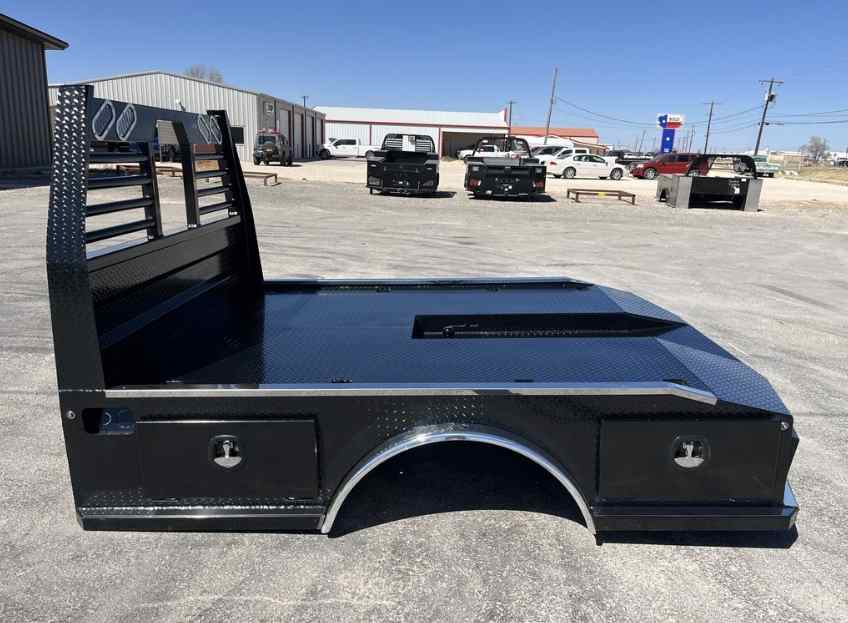
Operating heavy machinery effectively requires matching the right tools to the specific demands of a job site. Whether working in construction, land clearing, agriculture, or utility maintenance, standard equipment often needs specialized attachments to perform specialized tasks efficiently. Choosing the wrong attachment leads to reduced productivity, excessive equipment wear, and increased operational costs. By taking a systematic approach to assessing job site conditions, machine specifications, and material types, operators and project managers can select equipment tools that maximize efficiency and keep projects on schedule.
When evaluating heavy-duty gear built to withstand high stress, industry workers frequently look at product lineups from specialized fabricators, utilizing resources from manufacturers like Iron Ox Products to examine structural steel standards and attachment compatibility. Selecting durable attachments requires looking closely at key structural elements such as steel quality, reinforced weld joints, and mounting mechanisms. Understanding these core factors helps buyers distinguish between general-use tools and heavy-duty components designed for demanding environments.
Assessing Your Job Site Requirements
Before purchasing or renting any attachment, it is essential to conduct a thorough site assessment. Every job site presents unique physical challenges that dictate the performance characteristics required of your equipment.
Analyzing Material Density and Type
The type of material you move or process dictates the strength and capacity requirements of your attachment.
- Loose Soils and Gravel: Standard-duty buckets and general-purpose blades handle loose materials easily without requiring heavy reinforcement.
- Rock, Concrete, and Compacted Clay: High-impact environments demand heavy-duty attachments constructed with high-strength, abrasion-resistant steel to prevent cracking and structural deformation.
- Vegetation and Brush: Clearing operations require specialized grapple systems or heavy brush cutters equipped with high-torque hydraulic motors.
Evaluating Physical Space Constraints
Consider the spatial limitations of your working environment. Tight urban construction sites, indoor demolition zones, and forested areas require compact attachments that maintain high breakout force without restricting machine maneuverability.
Matching Attachments to Machine Capabilities
Attaching a tool that exceeds your operating machine’s capacity can cause severe hydraulic damage, instability, and safety hazards. You must verify full system compatibility before putting any tool into service.
Understanding Weight and Lifting Limits
Every piece of heavy equipment has a rated operating capacity (ROC). The total weight of your chosen attachment, combined with the weight of the material being lifted, must never exceed this limit.
- Always check the manufacturer’s specification sheet for your specific tractor, skid steer, or excavator model.
- Account for dynamic loads during movement across uneven terrain, which increases stress on the loader arms.
Verifying Hydraulic Flow Rates
Hydraulic attachments, such as augers, trenchers, and hydraulic hammers, require specific fluid flow rates (gallons per minute) and pressure (PSI) to function correctly.
- Standard-Flow Systems: Suitable for basic hydraulic tools like standard grapples and light augers.
- High-Flow Systems: Necessary for energy-intensive attachments such as heavy-duty cold planers, stump grinders, and large forestry mulchers.
Key Features of Durable Equipment Attachments
Not all attachments are built to the same standard. Identifying superior structural features helps ensure long-term durability and safety on the job site.
High-Strength Steel Construction
The longevity of any attachment relies heavily on the quality of its underlying metal frame. Look for components built using high-tensile steel, which provides maximum yield strength while minimizing unnecessary dead weight.
Reinforced Wear Zones and Stress Points
High-friction areas require extra reinforcement to withstand continuous contact with abrasive materials.
- Gussets and Support Ribs: Look for strategic internal bracing along corners and mounting plates to distribute operational stress evenly.
- Replaceable Wear Parts: Quality buckets and blades feature replaceable cutting edges, tooth points, and wear strips so you can service high-wear components without replacing the entire attachment structure.
Secure Mounting Systems
Quick-attach systems allow operators to switch tools rapidly, but the locking mechanism must remain secure under heavy vibration. Ensure the mounting plate matches your machine’s hitch interface precisely to eliminate play and prevent premature wear on connector pins.
Best Practices for Maintenance and Safety
Investing in high-quality attachments is only half the battle. Regular inspection and routine maintenance ensure consistent operational safety and extend equipment service life.
Pre-Operation Daily Checks
Develop a daily inspection routine before starting work on the site:
- Inspect all hydraulic hoses, couplers, and fittings for leaks, cracks, or abrasion.
- Check pivot pins and grease points, applying fresh grease to reduce friction and push out contaminants.
- Examine all welds and structural plates for hairline cracks or signs of metal fatigue.
Proper Storage and Cleaning
When attachments are not in use, store them on flat, level ground away from standing water and corrosive elements. Clean off dirt, mud, and debris after every shift to prevent rust formation and allow for easier visual inspections.
Final Considerations for Long-Term Value
Selecting heavy equipment attachments is a balance between matching immediate task requirements and ensuring long-term operational durability. By accurately assessing material conditions, strictly adhering to machine compatibility guidelines, and inspecting structural build quality, you can select attachments that deliver maximum performance and safety on every job site.