
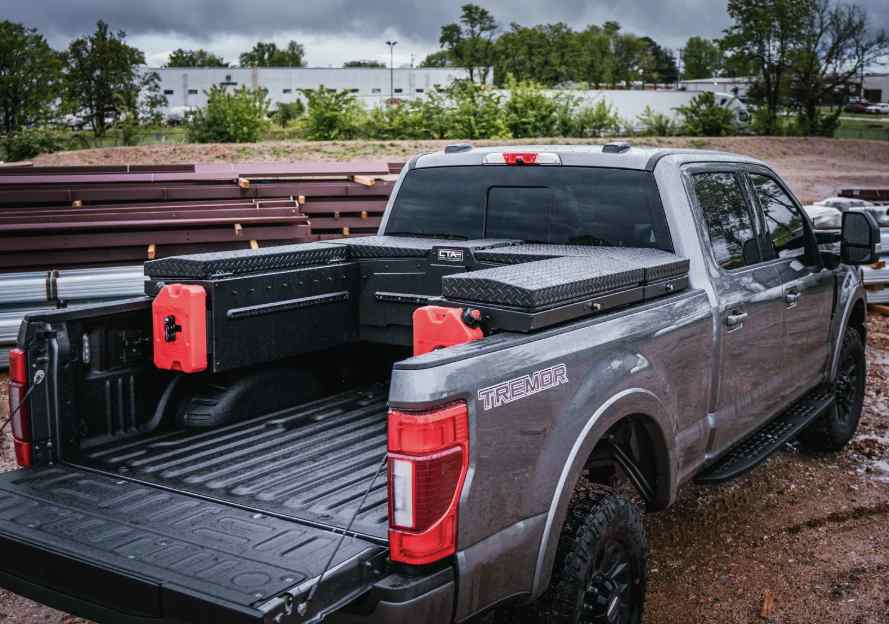
Work trucks are mobile workshops for contractors, tradespeople, mechanics, and outdoor enthusiasts. Carrying valuable hand tools, power equipment, recovery gear, and hardware in an open truck bed leaves expensive gear vulnerable to theft, weather damage, and road debris. A high-quality truck bed toolbox keeps tools neatly organized, dry, and securely locked away while keeping the main bed floor clear for larger cargo loads.
Selecting the right utility storage system requires evaluating your tool inventory, vehicle bed dimensions, and daily job site requirements. When analyzing heavy-duty box construction and lock hardware reliability, reviewing technical design features from metal utility specialists like FRDM Fabs provides helpful guidance on how continuous piano hinges, thick diamond plate aluminum, and weather-stripping seals keep gear secure and dry. By setting up an organized storage system, you can protect your tools and work more efficiently throughout the day.
1. Comparing Key Truck Toolbox Styles
Truck toolboxes come in several distinct form factors designed to accommodate different bed layouts and cargo needs.
Crossover (Saddle) Toolboxes
Crossover boxes are the most common style found on working pickup trucks. They suspend across the bed side rails directly behind the cab, leaving open space underneath on the bed floor for long lumber or sheet goods.
- Pros: Easy side access from outside the truck; keeps floor space open beneath the box.
- Cons: Blocks forward visibility through the lower half of the rear window.
Chest Toolboxes
Chest boxes sit completely inside the truck bed, resting flat on the bed floor against the front bed wall.
- Pros: Sits below the bed rail line, preserving rear window visibility and fitting underneath bed covers.
- Cons: Takes up dedicated bed floor space and requires climbing into the bed to access tools.
Side-Mount and Underbody Toolboxes
- Side-Mount Boxes: Mount along the inner lip of the bed rails, making tools accessible along the sides of the truck.
- Underbody Boxes: Mount beneath flatbeds or service bodies, utilizing empty space below the cargo frame.
2. Material Selection for Maximum Field Durability
The material used to construct a toolbox determines its structural strength, overall weight, and long-term resistance to harsh weather.
Toolbox Material Decision Flow:
[Weight Constraints] ➔ [Corrosion Needs] ➔ [Impact Resistance] ➔ [Security Level]
Aluminum Construction
Aluminum is the preferred material for most working truck toolboxes due to its high strength-to-weight ratio. Thick diamond-plate aluminum resists denting while providing a classic rugged look that never rusts, even when scratched.
Heavy-Duty Steel Construction
Steel toolboxes deliver ultimate security against break-ins and heavy impact damage. They are ideal for stationary commercial rigs or flatbeds where weight is less of a concern. Steel boxes require high-quality powder coating to protect against rust.
3. Weatherproofing and Security Lock Mechanisms
A toolbox must keep water out during heavy rainstorms and keep thieves out when the vehicle is parked on job sites.
Critical Protective Features
- Automotive Bulb Weather Seals: High-grade rubber seals running around the entire lid perimeter block rain, snow, and fine dust from entering the storage cavity.
- Stainless Steel L-Latches: Heavy-duty rotary latches lock lid edges down tight, preventing pry bars from catching underneath corners.
- Gas Strut Lid Lift Assists: Dual hydraulic gas struts automatically lift the lid when unlocked and hold it open safely while you retrieve tools.
- Reinforced Lid Core: Internal lid bracing prevents the metal cover from twisting or bending when force is applied to one corner.
4. Organizing Interior Space for Maximum Efficiency
Simply dumping tools loose into a large metal box leads to damaged equipment, lost hardware, and wasted time spent digging around for specific items.
Best Practices for Interior Organization
- Modular Storage Trays: Use removable sliding trays for small hand tools, tape measures, socket sets, and fasteners.
- Vertical Divider Cards: Partition the main storage cavity to keep power tools separated from heavy recovery chains and jumper cables.
- Padded Floor Liners: Lay dense foam or rubber mats along the bottom of the box to prevent metal tools from sliding around and rattling during transit.
5. Truck Bed Toolbox Comparison Matrix
| Toolbox Style | Bed Location | Floor Space Impact | Rear Visibility | Primary Ideal Use |
| Crossover (Saddle) | Suspended on Bed Rails | Zero Floor Impact | Partially Obstructed | General Contractors, Daily Drivers |
| Chest Box | Flat on Bed Floor | Consumes Front Floor | 100% Unobstructed | Tonneau Cover Users, Mechanics |
| Side-Bed Box | Inner Side Rails | Minimal Impact | Unobstructed | Easy Tool Access from Bed Sides |
| Underbody Box | Below Flatbed Frame | Zero Bed Impact | Unobstructed | Flatbed Rigs, Commercial Haulers |
Selecting a heavy-duty box made from durable materials and organizing your gear systematically creates a secure, efficient mobile workspace that protects your equipment investment for years.